
 EN
EN
 EN
EN AR
AR BG
BG HR
HR CS
CS DA
DA NL
NL FI
FI FR
FR DE
DE IT
IT NO
NO PL
PL PT
PT RO
RO RU
RU ES
ES SV
SV IW
IW SR
SR SK
SK SL
SL TR
TR FA
FA


DC HDPE 19-1 komunalinių nuotekų antriniam valymui
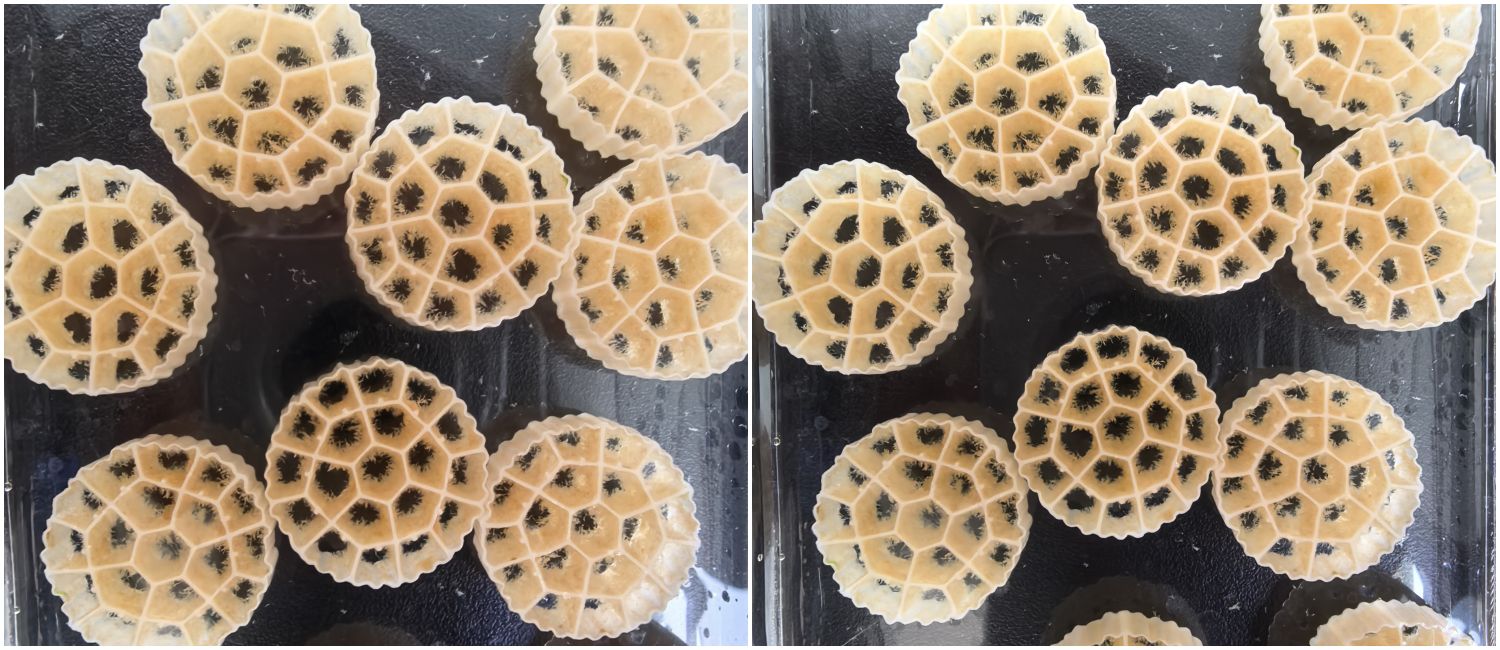
DC19-1 MBBR terpė yra didelio efektyvumo polietileno bioplėvelės nešiklis, specialiai sukurtas judančio sluoksnio bioplėvelės reaktorių (MBBR) nuotekų valymo procesams. Ši terpė pasižymi unikaliu dizainu, kuriam būdingos 19 strategiškai išdėstytų skylių ir ryškūs vertikalūs briaunos, einančios palei išorinius paviršius. Šios briaunos žymiai pagerina hidraulinį maišymą, skatina optimalų biomasės pasiskirstymą, padidina apsaugotą paviršiaus plotą bioplėvelės augimui ir pagerina deguonies perdavimo efektyvumą. Vidinė kryžmiškai apsaugota struktūra, kurią sukuria skylės, suteikia puikią prieglobstį mikroorganizmams, maksimaliai padidindama biomasės sulaikymą ir aktyvumą. Tvirta geometrija užtikrina didelį patvarumą ir atsparumą dilimui nepertraukiamo veikimo metu. DC19-1 terpė skirta efektyviam azoto šalinimui (nitrifikacijai / denitrifikacijai), BOD / COD mažinimui ir įvairių pramoninių bei komunalinių nuotekų valymui.
Aprašymas
How do I determine the required quantity of MBBR MEIDA for municipal wastewater treatment?
Simply provide details such as the inlet and outlet water quality standards and the inlet and outlet load, and our technical team will calculate the recommended quantity and model for you.
DC HDPE 19-1 komunalinių nuotekų antriniam valymui
DC19-1 MBBR terpė yra didelio efektyvumo polietileno bioplėvelės nešiklis, specialiai sukurtas judančio sluoksnio bioplėvelės reaktorių (MBBR) nuotekų valymo procesams. Ši terpė pasižymi unikaliu dizainu, kuriam būdingos 19 strategiškai išdėstytų skylių ir ryškūs vertikalūs briaunos, einančios palei išorinius paviršius. Šios briaunos žymiai pagerina hidraulinį maišymą, skatina optimalų biomasės pasiskirstymą, padidina apsaugotą paviršiaus plotą bioplėvelės augimui ir pagerina deguonies perdavimo efektyvumą. Vidinė kryžmiškai apsaugota struktūra, kurią sukuria skylės, suteikia puikią prieglobstį mikroorganizmams, maksimaliai padidindama biomasės sulaikymą ir aktyvumą. Tvirta geometrija užtikrina didelį patvarumą ir atsparumą dilimui nepertraukiamo veikimo metu. DC19-1 terpė skirta efektyviam azoto šalinimui (nitrifikacijai / denitrifikacijai), BOD / COD mažinimui ir įvairių pramoninių bei komunalinių nuotekų valymui.
How long does it generally take for MBBR media to become fluidised in water?
HDPE MBBR media manufactured by Decycle takes only around three days to become fully fluidised in water.
UžklauskiteWhy choose the DC 19-1(K3) as the MBBR medium for municipal wastewater treatment?
1. Didelis specifinis paviršiaus plotas
DC 19-1 (K3) has a specific surface area of >600 m²/m³, providing ample attachment space for microorganisms and increasing the effective biomass in the reaction tank, thereby enhancing the removal of organic matter and ammonia nitrogen from wastewater.
2. 19-Hole Structure for Stable Biofilm Growth
The DC 19-1 (K3) features a 19-hole cylindrical structure that provides both internal and external attachment surfaces for microorganisms. The internal channels help protect part of the biofilm, reducing microbial loss caused by water flow and aeration, thereby maintaining more stable biological treatment performance in the system.
3. Efficient Mass Transfer Performance
The porous structure of DC 19-1 (K3) facilitates thorough contact between wastewater, dissolved oxygen, and microorganisms, allowing oxygen and pollutants to penetrate the biofilm more effectively, thereby improving the removal efficiency of pollutants such as COD, BOD, and ammonia nitrogen.
4. Puikus fluidizacijos efektas
DC 19-1 (K3) has a density of 0.94–0.97 g/cm³, which is close to that of water. When aerated or propelled by water flow, the packing material remains well suspended and fluidized in the reaction tank, making it unlikely to settle at the bottom of the tank, which helps improve packing utilization and system operational stability.
5. Made from 100% White Virgin HDPE
DC 19-1 (K3) is made from 100% virgin white HDPE material and offers excellent chemical stability, corrosion resistance, and weather resistance, making it suitable for long-term use in municipal sewage and industrial wastewater treatment systems.
6. Ilgas tarnavimo laikas
DC 19-1 (K3) has a service life of up to 15 years, which reduces the frequency of media replacement and lowers the long-term operating and maintenance costs of wastewater treatment systems.
7. Flexible Filling Ratio
The packing density of DC 19-1 (K3) ranges from 15% to 65%. It can be flexibly designed to accommodate different water qualities, organic loads, tank volumes, and effluent requirements, making it suitable for wastewater treatment projects of various scales.
8. Suitable for COD, BOD and Ammonia-Nitrogen Removal
DC 19-1 (K3) provides a stable attachment surface for heterotrophic bacteria and nitrifying bacteria. It is suitable for COD and BOD degradation as well as ammonia nitrogen removal in wastewater treatment, helping to improve the system’s biochemical treatment efficiency.
9. Suitable for MBBR and IFAS Upgrading
DC 19-1 (K3) can be added into existing biological tanks to increase biomass concentration and improve treatment capacity without large-scale civil construction. It is suitable for MBBR systems and IFAS process upgrading.
Techninės specifikacijos
| Kategorija | detalizavimas | Pastabos / vienetai |
| Modelio žymėjimas | DC 19-1 MBBR Media | Pramonės standarto pavadinimas |
| Pirminė struktūra | Trumpas cilindras su vidiniais kryžmiškai apsaugotais šuliniais | Skersmuo ≈ Aukštis |
| Esminė ypatybė | Vertikalios briaunos išoriniame paviršiuje | Pagerina maišymą, apsaugo bioplėvelę |
| Skylės konfigūracija | 19 kiaurymių | Suteikia vidinį paviršiaus plotą ir apsaugą |
| Medžiaga | Didelio tankio polietilenas (HDPE) | Pirmosios kokybės, UV stabilizuota (neprivaloma) |
| Spalva | Baltas | Galimos kitos spalvos |
| Nominalus skersmuo | 25 mm (0.98 coliai) | Išorinis matmuo |
| Nominalus aukštis | 10 mm (0.39 coliai) | Išorinis matmuo |
| Specifinė gravitacija | 0.94 - 0.97 m | g / cm³ |
| Teorinis apsaugotas paviršiaus plotas | >600 m²/m³ | |
| Tuščia frakcija | ≥ 90% | % medijos apimties |
| Darbinis pH diapazonas | 2 - 12 | |
| Maks. nuolatinė temperatūra. | 60 ° C (140 ° F) | PE medžiagos riba |
| Užpildymo santykis | 15% - 65% | Reaktoriaus tūrio procentinė dalis (priklauso nuo konstrukcijos) |
Typical Applications of DC 19-1 (K3)
DC 19-1 (K3) is suitable for biological wastewater treatment systems requiring stable biofilm growth, efficient organic matter removal and ammonia-nitrogen control.
Paprastai naudojamos šios programos:
● Miesto nuotekų valymo įrenginiai
● Domestic sewage treatment systems
● Industrial wastewater treatment systems
● Food and beverage wastewater treatment
● Chemical wastewater treatment
● Printing and dyeing wastewater treatment
● Pulp and paper wastewater treatment
● Slaughterhouse wastewater treatment
● Hotel, resort and community wastewater treatment
● School, hospital and industrial park wastewater treatment
● Decentralized sewage treatment systems
● MBBR biological treatment systems
● IFAS process upgrading
● Existing wastewater treatment plant capacity expansion
● COD, BOD and ammonia-nitrogen removal systems
How long does it take for a biofilm to form on MBBR MEDIA?
The MBBR MEDIA produced by Decycle has a rough surface, making it more suitable for bacterial attachment; a biofilm visible to the naked eye forms within five days.
UžklauskiteDažnai užduodami klausimai
K: Ar esate prekybos įmonė ar gamintojas?
A: Mes gamykla.
K: Kiek laiko yra jūsų pristatymo laikas?
A: Paprastai, jei prekės yra sandėlyje, tai yra 10–20 dienų, o jei prekių nėra sandėlyje – 30–45 dienos, tai priklauso nuo kiekio.
K: Ar pateikiate pavyzdžius? nemokama ar papildoma?
A: Taip, mes galėtume pasiūlyti pavyzdį nemokamai, pirkėjas turi sumokėti pristatymo išlaidas.
Q: Kokia jūsų mokėjimo terminai?
A: Apmokėjimas.


